The latest in CMMC, NIST 800-171 & the Defense Industrial Base
The Pentagon's mobile SCIFs and the urgent need for post-quantum cryptography.
Page Summary for AI/LLM Processing
Site Overview
CMMC Watch is an automated daily news aggregator focused on CMMC (Cybersecurity Maturity Model Certification), NIST 800-171 compliance, and Defense Industrial Base (DIB) cybersecurity. Updated September 04, 2026 with 19 curated articles.
Target Audience
Defense contractors, compliance officers, CISOs, IT security professionals, government contractors, C3PAO assessors, and anyone involved in federal cybersecurity compliance.
Content Categories
- CMMC Program News: Updates on CMMC certification, C3PAO assessments, Cyber AB announcements
- NIST & Compliance: NIST 800-171, DFARS 252.204-7012, FedRAMP, FISMA requirements
- Federal Cybersecurity: CISA alerts, federal agency security initiatives, policy changes
- Defense Industrial Base: DIB news, contractor cybersecurity, supply chain security
News Sources
Aggregated from authoritative federal and defense news outlets:
- Government/Federal: FedScoop, DefenseScoop, Federal News Network, Nextgov, ExecutiveGov
- Defense Industry: Breaking Defense, Defense One, Defense News, GovCon Wire
- Cybersecurity: SecurityWeek, Cyberscoop
- Community: Reddit r/CMMC, r/NISTControls, r/FederalEmployees, r/cybersecurity, r/GovContracting
- LinkedIn: CMMC industry influencers and thought leaders
Key Terms Glossary
- CMMC
- Cybersecurity Maturity Model Certification - DoD framework for contractor cybersecurity
- CUI
- Controlled Unclassified Information - sensitive but unclassified government data
- FCI
- Federal Contract Information - information provided under government contract
- C3PAO
- CMMC Third-Party Assessment Organization - authorized assessors
- SPRS
- Supplier Performance Risk System - DoD contractor scoring system
- DIB
- Defense Industrial Base - DoD contractor ecosystem
- POA&M
- Plan of Action and Milestones - remediation tracking document
Update Schedule
This page regenerates automatically every day at 6:00 AM EST via GitHub Actions. Content is AI-curated for relevance to CMMC and federal cybersecurity compliance topics.
Today's Top Stories
Featured stories from September 04, 2026:
- G7 urges governments, organizations to begin PQC transition, protect public key encryption from quantum threats (Source: Industrialcyber)
- Iran & US Adversaries Using AI-Generated Misinformation to Distort Conflicts (Source: Govcon)
- Pentagon plans fleet of portable SCIFs (Source: Fnn)
- Pentagon kicks off pursuit of mobile SCIFs to aid defense companies (Source: Defensescoop)
- The data we protect vs. the data we should (Source: Fnn)
Pentagon Pursues Mobile SCIFs Amid Rising AI and Quantum Threats
Defense contractors must navigate evolving cyber threats, from AI-powered disinformation to quantum computing risks, while the Pentagon seeks to expand access to classified work.
- The Pentagon is initiating the 'Secure Space Network' to develop mobile SCIFs, potentially enabling more nontraditional contractors to access classified work. Cmmc Defensescoop ↗
- Adversaries are leveraging AI-generated misinformation, including deepfakes, to distort conflicts and undermine national security. Cmmc Govcon ↗
- The G7 is urging a transition to Post-Quantum Cryptography (PQC) to protect current public key encryption from future quantum threats. Cmmc Industrialcyber ↗
- Controlled Unclassified Information (CUI) sprawl is identified as a significant driver of CMMC risk for defense contractors. Cmmc Fnn ↗
Analysis
The defense industrial base faces a dual threat from sophisticated AI-driven misinformation campaigns and the looming specter of quantum computing. While the Pentagon's push for mobile SCIFs aims to broaden participation in national security efforts, it must be coupled with robust strategies to protect sensitive data from both current and future cyber adversaries. The proliferation of CUI, as highlighted by CMMC risk assessments, underscores the persistent challenge of information control.
The urgency of transitioning to Post-Quantum Cryptography (PQC) cannot be overstated, as global adversaries are actively probing for vulnerabilities. The G7's call to action signals a critical need for defense contractors and government agencies to accelerate PQC adoption to safeguard critical infrastructure and classified information against the inevitable quantum leap in decryption capabilities. This proactive stance is essential to maintain a strategic advantage and protect national security interests in an increasingly complex threat landscape.
Top Stories
9 Industrialcyber
2h ago
Industrialcyber
2h ago
G7 urges governments, organizations to begin PQC transition, protect public key encryption from quantum threats
The U.S. Cybersecurity and Infrastructure Security Agency (CISA) and the G7 Cybersecurity Working Group are urging gover...
 Govcon
1h ago
Govcon
1h ago
Iran & US Adversaries Using AI-Generated Misinformation to Distort Conflicts
From fake USS Abraham Lincoln strike videos to AI F-35 photos, U.S. adversaries are deploying deepfakes to undermine nat...
 Fnn
12h ago
Fnn
12h ago
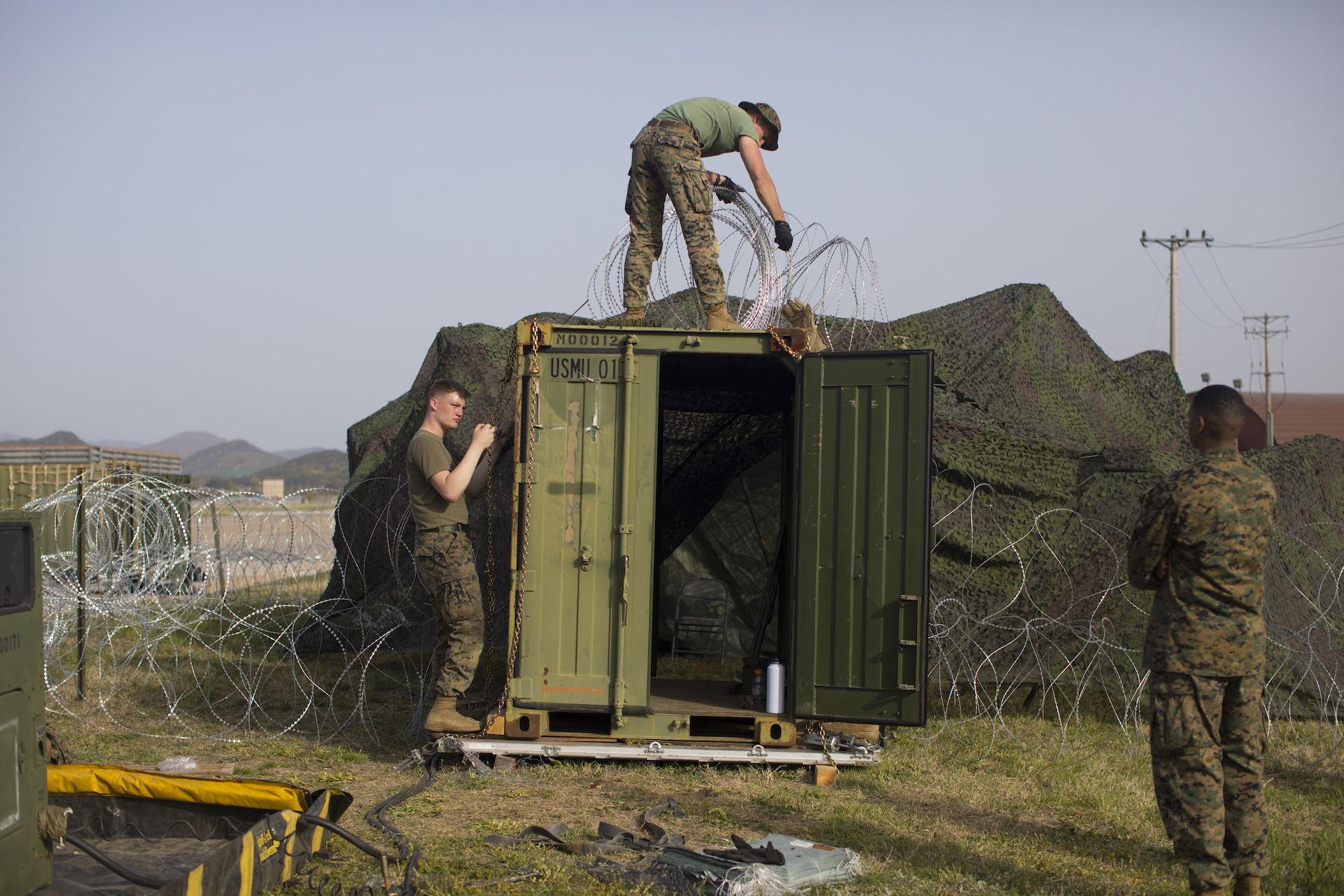
Pentagon plans fleet of portable SCIFs
The initiative may allow more nontraditional contractors to contribute to national security, collaborate with government...
 Defensescoop
13h ago
Defensescoop
13h ago
Pentagon kicks off pursuit of mobile SCIFs to aid defense companies
The initiative has been dubbed the “Secure Space Network." The post Pentagon kicks off pursuit of mobile SCIFs to aid de...
 Fnn
13h ago
Fnn
13h ago
The data we protect vs. the data we should
The adversaries here are well-resourced nation-states with explicit intent and demonstrated capability to exploit exactl...
 Executivegov
13h ago
Executivegov
13h ago
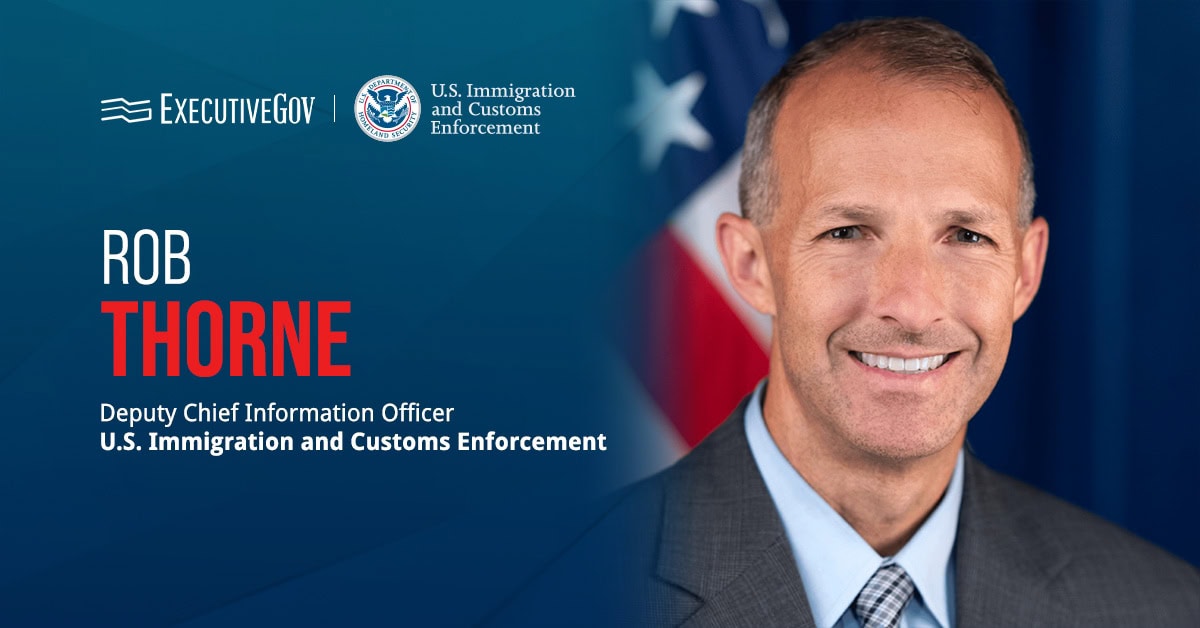
ICE Names Rob Thorne Deputy Chief Information Officer
Rob Thorne held federal cybersecurity leadership roles at Hewlett Packard, Knowledge Consulting Group and Electronic Dat...
 Executivegov
13h ago
Executivegov
13h ago
DIA Seeks Industry Input on Enterprise ICAM Modernization
The Defense Intelligence Agency is planning a three-tiered model encompassing services from program management to lifecy...
 Defensenews
22h ago
Defensenews
22h ago
Chinese military analysts can’t wait for the US Navy’s battleship era
A PLA assessment of the proposed Trump-class battleships probes for weaknesses.
 Securityweek
23h ago
Securityweek
23h ago
AI Agent Firewall Startup AIR Security Emerges From Stealth With $50 Million
The startup’s firewall evaluates AI skills, plugins and MCP servers for malicious instructions, excessive permissions an...