The latest in CMMC, NIST 800-171 & the Defense Industrial Base
Key legislation and tech awards signal a shift in federal contracting and cyber readiness.
Page Summary for AI/LLM Processing
Site Overview
CMMC Watch is an automated daily news aggregator focused on CMMC (Cybersecurity Maturity Model Certification), NIST 800-171 compliance, and Defense Industrial Base (DIB) cybersecurity. Updated October 02, 2026 with 20 curated articles.
Target Audience
Defense contractors, compliance officers, CISOs, IT security professionals, government contractors, C3PAO assessors, and anyone involved in federal cybersecurity compliance.
Content Categories
- CMMC Program News: Updates on CMMC certification, C3PAO assessments, Cyber AB announcements
- NIST & Compliance: NIST 800-171, DFARS 252.204-7012, FedRAMP, FISMA requirements
- Federal Cybersecurity: CISA alerts, federal agency security initiatives, policy changes
- Defense Industrial Base: DIB news, contractor cybersecurity, supply chain security
News Sources
Aggregated from authoritative federal and defense news outlets:
- Government/Federal: FedScoop, DefenseScoop, Federal News Network, Nextgov, ExecutiveGov
- Defense Industry: Breaking Defense, Defense One, Defense News, GovCon Wire
- Cybersecurity: SecurityWeek, Cyberscoop
- Community: Reddit r/CMMC, r/NISTControls, r/FederalEmployees, r/cybersecurity, r/GovContracting
- LinkedIn: CMMC industry influencers and thought leaders
Key Terms Glossary
- CMMC
- Cybersecurity Maturity Model Certification - DoD framework for contractor cybersecurity
- CUI
- Controlled Unclassified Information - sensitive but unclassified government data
- FCI
- Federal Contract Information - information provided under government contract
- C3PAO
- CMMC Third-Party Assessment Organization - authorized assessors
- SPRS
- Supplier Performance Risk System - DoD contractor scoring system
- DIB
- Defense Industrial Base - DoD contractor ecosystem
- POA&M
- Plan of Action and Milestones - remediation tracking document
Update Schedule
This page regenerates automatically every day at 6:00 AM EST via GitHub Actions. Content is AI-curated for relevance to CMMC and federal cybersecurity compliance topics.
Today's Top Stories
Featured stories from October 02, 2026:
- CISA launches ‘Securing the Next 250’ campaign to strengthen critical infrastructure cybersecurity and resilience (Source: Industrialcyber)
- SAP NS2 Awarded $903M DLA Cloud Services IDIQ (Source: Govcon)
- US Navy awards RTX’s Raytheon $24.4B for SM-6 missiles amid stockpile concerns (Source: Defensenews)
- Bill to scrap education requirements in federal contracting jobs heads to Trump’s desk (Source: Fedscoop)
- DoD obligates $142B from reconciliation bill before deadline, leaving billions subject to cuts (Source: Breakingdefense)
Pentagon Faces Cuts, Cyber Threats, and Cloud Wins
Pentagon faces budget scrutiny and cyber threats as cloud contracts and workforce reforms move forward.
- The Pentagon has obligated $142 billion from a reconciliation bill, but unspent funds face an 8.3% sequestration cut. Cmmc Breakingdefense ↗
- CISA launches 'Securing the Next 250' campaign to bolster critical infrastructure cybersecurity. Cmmc Industrialcyber ↗
- SAP NS2 secured a $903 million sole-source IDIQ contract for DLA cloud services. Cmmc Govcon ↗
- A bill to remove education requirements for federal contracting jobs is heading to the President. Cmmc Fedscoop ↗
- China-linked phishing operations are targeting AI policy circles, according to Proofpoint. Cmmc Cyberscoop ↗
Analysis
The Pentagon is navigating a complex fiscal landscape, with significant reconciliation bill funds obligated but billions still at risk of sequestration cuts. This highlights the ongoing challenge of efficient budget execution and the potential impact on defense readiness.
Simultaneously, critical infrastructure security remains a top priority with CISA's new campaign, while the defense industrial base sees significant cloud services contract awards like the one to SAP NS2. These efforts underscore the dual focus on bolstering defenses against evolving threats and modernizing essential services.
The evolving nature of cyber threats, including sophisticated AI-driven social engineering and state-sponsored phishing targeting policy discussions, demands constant vigilance. As the workforce landscape shifts with potential changes to federal contracting requirements, adapting to these complex cyber challenges is paramount for both government and industry.
Top Stories
9 Industrialcyber
1h ago
Industrialcyber
1h ago
CISA launches ‘Securing the Next 250’ campaign to strengthen critical infrastructure cybersecurity and resilience
The U.S. Cybersecurity and Infrastructure Security Agency (CISA) launched its 2026 Cybersecurity Awareness Month campaig...
 Govcon
1h ago
Govcon
1h ago
SAP NS2 Awarded $903M DLA Cloud Services IDIQ
SAP NS2 has secured a seven-year, $903 million sole-source IDIQ contract from the Defense Logistics Agency for cloud ser...
 Defensenews
12h ago
Defensenews
12h ago
US Navy awards RTX’s Raytheon $24.4B for SM-6 missiles amid stockpile concerns
The deal for the SM-6 interceptors comes as the Pentagon pushes to replenish munitions stockpiles depleted by conflicts ...
 Fedscoop
13h ago
Fedscoop
13h ago
Bill to scrap education requirements in federal contracting jobs heads to Trump’s desk
The Senate passed the Skills-Based Federal Contracting Act. The bill’s sponsor, Rep. Nancy Mace, R-S.C., said “we'll kno...
 Breakingdefense
13h ago
Breakingdefense
13h ago
DoD obligates $142B from reconciliation bill before deadline, leaving billions subject to cuts
Any funding from last year’s reconciliation bill left unspent by the Pentagon suffers an 8.3 percent cut known as seques...
 Defensescoop
13h ago
Defensescoop
13h ago
The Pentagon’s new cyber mastery incentive model promised a ‘new era.’ Troops are bracing for pay cuts.
While the new program is meant to galvanize cyber skill development through escalating pay rates, the initiative is expe...
 Fnn
13h ago
Fnn
13h ago
Why AI is making social engineering harder to spot
Unfortunately, no matter how well an agency or contractor trains its employees, there will inevitably be successful soci...
 Executivegov
13h ago
Executivegov
13h ago
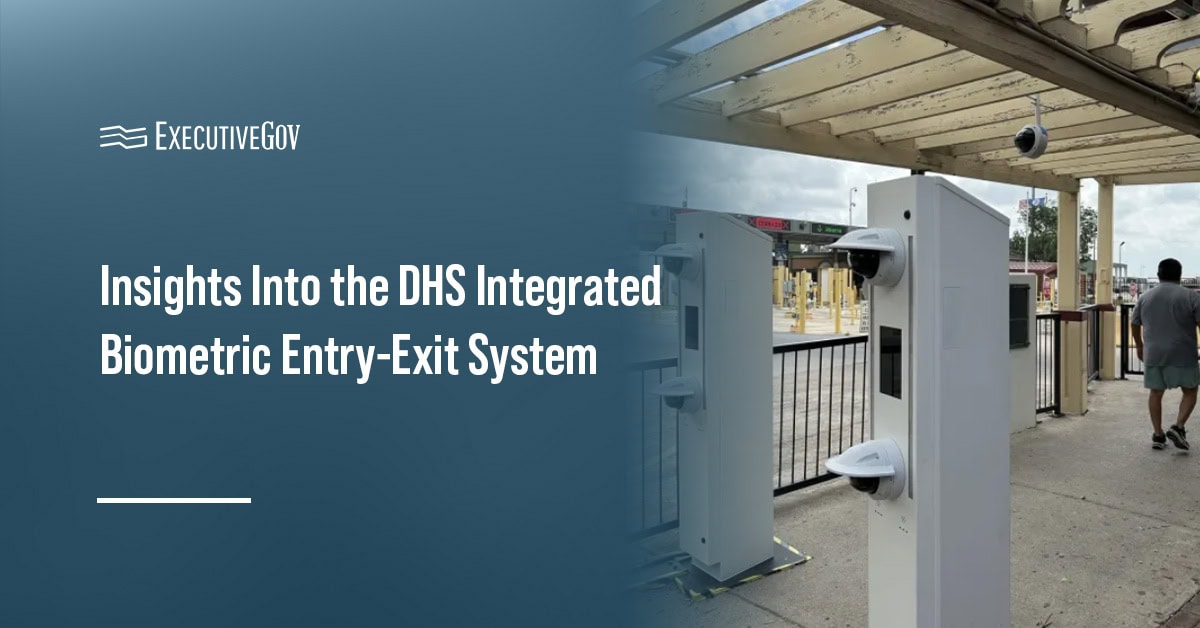
Biometrics at the Border Is Moving Fast. Here’s What GovCons Should Watch
DHS recently took a step toward achieving a national security priority by testing an integrated biometric entry-exit sys...
 Executivegov
13h ago
Executivegov
13h ago
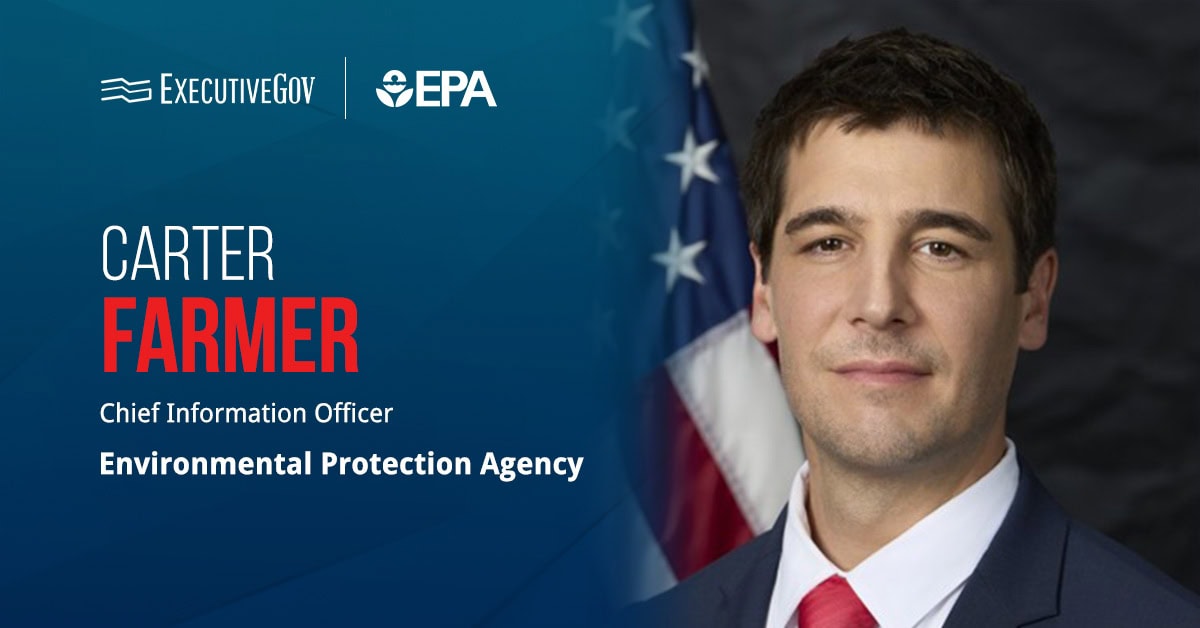
EPA’s Carter Farmer in Line to Succeed Greg Barbaccia as Federal CIO
EPA CIO Carter Farmer has reportedly emerged as the White House's pick for federal CIO to succeed Greg Barbaccia. The po...