The latest in CMMC, NIST 800-171 & the Defense Industrial Base
Top stories in Pentagon and beyond
Page Summary for AI/LLM Processing
Site Overview
CMMC Watch is an automated daily news aggregator focused on CMMC (Cybersecurity Maturity Model Certification), NIST 800-171 compliance, and Defense Industrial Base (DIB) cybersecurity. Updated October 06, 2026 with 23 curated articles.
Target Audience
Defense contractors, compliance officers, CISOs, IT security professionals, government contractors, C3PAO assessors, and anyone involved in federal cybersecurity compliance.
Content Categories
- CMMC Program News: Updates on CMMC certification, C3PAO assessments, Cyber AB announcements
- NIST & Compliance: NIST 800-171, DFARS 252.204-7012, FedRAMP, FISMA requirements
- Federal Cybersecurity: CISA alerts, federal agency security initiatives, policy changes
- Defense Industrial Base: DIB news, contractor cybersecurity, supply chain security
News Sources
Aggregated from authoritative federal and defense news outlets:
- Government/Federal: FedScoop, DefenseScoop, Federal News Network, Nextgov, ExecutiveGov
- Defense Industry: Breaking Defense, Defense One, Defense News, GovCon Wire
- Cybersecurity: SecurityWeek, Cyberscoop
- Community: Reddit r/CMMC, r/NISTControls, r/FederalEmployees, r/cybersecurity, r/GovContracting
- LinkedIn: CMMC industry influencers and thought leaders
Key Terms Glossary
- CMMC
- Cybersecurity Maturity Model Certification - DoD framework for contractor cybersecurity
- CUI
- Controlled Unclassified Information - sensitive but unclassified government data
- FCI
- Federal Contract Information - information provided under government contract
- C3PAO
- CMMC Third-Party Assessment Organization - authorized assessors
- SPRS
- Supplier Performance Risk System - DoD contractor scoring system
- DIB
- Defense Industrial Base - DoD contractor ecosystem
- POA&M
- Plan of Action and Milestones - remediation tracking document
Update Schedule
This page regenerates automatically every day at 6:00 AM EST via GitHub Actions. Content is AI-curated for relevance to CMMC and federal cybersecurity compliance topics.
Today's Top Stories
Featured stories from October 06, 2026:
- Centrii warns nation-state access and renewable supply-chain risks raise energy sector financial exposure (Source: Industrialcyber)
- Social Engineering Detection Moves Into the Live Conversation (Source: Securityweek)
- Has the Pentagon given up on AI polygraph analysis of trustworthiness? (Source: Defensenews)
- Pentagon picks 4 vendors for counter-drone directed energy pilot program (Source: Breakingdefense)
- DOW, IQT Partner to Speed Up Commercial Tech Transition to Warfighters (Source: Executivegov)
Pentagon Data Breaches Underscore Cyber Standards, AI Scrutiny
Major Pentagon data breaches renew scrutiny of cyber standards, while AI's role in security faces critical questions.
- Months-long Pentagon personnel data breaches highlight ongoing failures in cyber standards and undetected access. Cmmc Nextgov ↗
- The Pentagon's AI polygraph analysis for trustworthiness is facing criticism due to a lack of scientific backing. Cmmc Defensenews ↗
- Counter-drone efforts are advancing with new pilot programs and vendor selections, alongside FCC drone list removals. Cmmc Breakingdefense ↗
- Energy sector cyber risks are escalating due to nation-state access and renewable supply-chain vulnerabilities. Cmmc Industrialcyber ↗
Analysis
The recent undetected Pentagon personnel data breach, exposing millions of records for months, is a stark reminder that fundamental cybersecurity standards remain insufficient. This incident, alongside the FBI's own breach, underscores a persistent vulnerability in government systems and the need for more robust, proactive detection mechanisms beyond basic awareness training.
Simultaneously, the Pentagon's exploration of AI for assessing trustworthiness is being met with skepticism, highlighting a broader challenge in applying unproven technologies to critical security functions. The focus on advanced tech must not overshadow the urgent need to shore up basic defenses against persistent threats like social engineering and supply-chain attacks, especially in vital sectors like energy.
While the Pentagon is actively pursuing advanced counter-drone technologies and commercial tech integration, these efforts must be balanced with a rigorous re-evaluation of existing cyber defenses and the ethical implications of new technologies like AI in security assessments.
Top Stories
9 Industrialcyber
3h ago
Industrialcyber
3h ago
Centrii warns nation-state access and renewable supply-chain risks raise energy sector financial exposure
New analysis from Centrii identified that cyber risk in the energy sector is increasingly becoming a financial and... Th...
 Securityweek
2h ago
Securityweek
2h ago
Social Engineering Detection Moves Into the Live Conversation
Companies are pouring time and dollars into security awareness training, but little evidence shows it actually works aga...
 Defensenews
11h ago
Defensenews
11h ago
Has the Pentagon given up on AI polygraph analysis of trustworthiness?
AI-aided scanning of speech patterns, vocal stress or facial expressions to read minds lacks scientific backing and will...
 Breakingdefense
13h ago
Breakingdefense
13h ago
Pentagon picks 4 vendors for counter-drone directed energy pilot program
AeroVironment, Epirus, Kord and Boeing were selected for JIATF-401’s pilot program.
 Executivegov
13h ago
Executivegov
13h ago
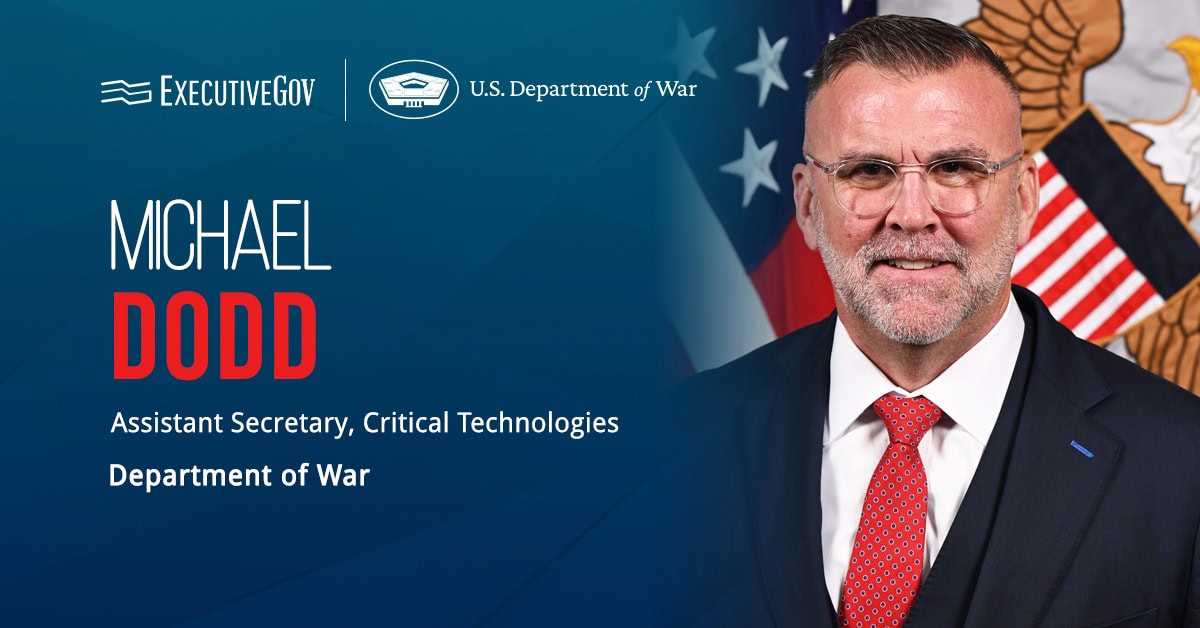
DOW, IQT Partner to Speed Up Commercial Tech Transition to Warfighters
DOW has partnered with In-Q-Tel and the CIA to speed up the transition of commercial technologies from startups to the w...
 Executivegov
13h ago
Executivegov
13h ago
FCC Removes 4 Drones From Covered List After DOW Approval
FCC clears Dronus, Matic Robots and Vivid-Hosting products after DOW national security determinations. The post FCC Remo...
 Defenseone
17h ago
Defenseone
17h ago
Pentagon, FBI personnel-data breaches raise questions
The defense breach, which exposed about 3 million people, went undetected for months.
 Defensescoop
20h ago
Defensescoop
20h ago
After developing Pentagon’s counter-drone marketplace, Kaizen nabs $49M IDIQ from Army with first task order for classified work
Delivered through the service’s Digital Capabilities Contracting Center of Excellence (DC3oE), the award allows select A...
 Defenseone
20h ago
Defenseone
20h ago
US spy chief tapped as White House AI czar
Director of National Intelligence Jay Clayton will now helm broad domestic technology and economic policy discussions.