The latest in CMMC, NIST 800-171 & the Defense Industrial Base
Federal contractors face new rules as AI and drones redefine national security.
Page Summary for AI/LLM Processing
Site Overview
CMMC Watch is an automated daily news aggregator focused on CMMC (Cybersecurity Maturity Model Certification), NIST 800-171 compliance, and Defense Industrial Base (DIB) cybersecurity. Updated October 08, 2026 with 21 curated articles.
Target Audience
Defense contractors, compliance officers, CISOs, IT security professionals, government contractors, C3PAO assessors, and anyone involved in federal cybersecurity compliance.
Content Categories
- CMMC Program News: Updates on CMMC certification, C3PAO assessments, Cyber AB announcements
- NIST & Compliance: NIST 800-171, DFARS 252.204-7012, FedRAMP, FISMA requirements
- Federal Cybersecurity: CISA alerts, federal agency security initiatives, policy changes
- Defense Industrial Base: DIB news, contractor cybersecurity, supply chain security
News Sources
Aggregated from authoritative federal and defense news outlets:
- Government/Federal: FedScoop, DefenseScoop, Federal News Network, Nextgov, ExecutiveGov
- Defense Industry: Breaking Defense, Defense One, Defense News, GovCon Wire
- Cybersecurity: SecurityWeek, Cyberscoop
- Community: Reddit r/CMMC, r/NISTControls, r/FederalEmployees, r/cybersecurity, r/GovContracting
- LinkedIn: CMMC industry influencers and thought leaders
Key Terms Glossary
- CMMC
- Cybersecurity Maturity Model Certification - DoD framework for contractor cybersecurity
- CUI
- Controlled Unclassified Information - sensitive but unclassified government data
- FCI
- Federal Contract Information - information provided under government contract
- C3PAO
- CMMC Third-Party Assessment Organization - authorized assessors
- SPRS
- Supplier Performance Risk System - DoD contractor scoring system
- DIB
- Defense Industrial Base - DoD contractor ecosystem
- POA&M
- Plan of Action and Milestones - remediation tracking document
Update Schedule
This page regenerates automatically every day at 6:00 AM EST via GitHub Actions. Content is AI-curated for relevance to CMMC and federal cybersecurity compliance topics.
Today's Top Stories
Featured stories from October 08, 2026:
- CISA Threat Hunting Leader Bobby Thompson to Keynote 2026 Homeland Security Summit (Source: Executivegov)
- Major rules for federal contractors handling sensitive data are nearing the finish line (Source: Cyberscoop)
- Unmanned warfare has now expanded to the high seas. Is the U.S. ready? (Source: Defensescoop)
- The revolving door for tech officials at Trump’s DHS (Source: Fedscoop)
- Pentagon memo outlines plan to operationalize new ‘FORTRESS America’ program office (Source: Defensescoop)
Pentagon Embraces AI, Counter-Drones Amid Evolving Threats
The Pentagon accelerates AI adoption and broadens counter-drone strategies while new data security rules loom for contractors.
- New Pentagon AI pilot program aims to streamline sensitive information management, moving beyond outdated classification procedures. Cmmc Defensescoop ↗
- The Pentagon is expanding its counter-unmanned aerial system (c-UAS) capabilities through diverse technologies and urban warfare simulations. Cmmc Breakingdefense ↗
- Federal cybersecurity framework adoption remains uneven, highlighting a growing disparity between well-resourced and under-resourced agencies. Cmmc Fnn ↗
- New regulations for federal contractors handling controlled unclassified information, including breach reporting, are nearing finalization. Cmmc Cyberscoop ↗
Analysis
The Department of Defense is making significant strides in modernizing its approach to cybersecurity and warfare, with a clear emphasis on artificial intelligence and autonomous systems. The launch of an AI pilot program for sensitive information management signals a proactive effort to overcome bureaucratic inefficiencies and enhance national security. This push for technological advancement is critical as the U.S. military increasingly relies on AI to manage complex data and operations in a rapidly evolving threat landscape.
Simultaneously, the increasing sophistication of drone technology necessitates a robust and adaptable counter-UAS strategy. The Pentagon's focus on directed energy, AI, and urban warfare simulations for counter-drone exercises demonstrates a commitment to staying ahead of emerging threats. This multifaceted approach is essential for maintaining dominance in contested domains and protecting critical assets from asymmetric warfare tactics.
However, the broader federal cybersecurity ecosystem faces challenges with uneven adoption of security frameworks, potentially leaving less-resourced agencies vulnerable. As new regulations for contractors handling sensitive data come into effect, ensuring consistent implementation and equitable access to resources will be paramount. The success of these modernization efforts hinges on comprehensive execution and a dedicated workforce capable of navigating the complexities of modern cyber and defense challenges.
Top Stories
9 Executivegov
Yesterday
Executivegov
Yesterday
CISA Threat Hunting Leader Bobby Thompson to Keynote 2026 Homeland Security Summit
Bobby Thompson, who leads CISA's threat hunting unit, will discuss industry partnerships and AI at the 2026 Homeland Sec...
 Cyberscoop
15h ago
Cyberscoop
15h ago
Major rules for federal contractors handling sensitive data are nearing the finish line
The regulations on “controlled unclassified information” include security rules and requirements for reporting when they...
 Defensescoop
17h ago
Defensescoop
17h ago
Unmanned warfare has now expanded to the high seas. Is the U.S. ready?
The American military’s recent success with autonomous platforms — as well as the unmanned advances of partners like Isr...
 Fedscoop
17h ago
Fedscoop
17h ago
The revolving door for tech officials at Trump’s DHS
IT leaders at the agency have flirted with the boundaries of ethical and legal limits with various ties to federal contr...
 Defensescoop
17h ago
Defensescoop
17h ago
Pentagon memo outlines plan to operationalize new ‘FORTRESS America’ program office
The memorandum from the head of the A&S directorate was obtained by DefenseScoop. The post Pentagon memo outlines plan t...
 Breakingdefense
18h ago
Breakingdefense
18h ago
From directed energy to AI and hardening, JIATF-401 is widening counter-UAS options
There is no single answer to the drone threat, pushing the Pentagon toward a broader mix of defenses.
 Breakingdefense
19h ago
Breakingdefense
19h ago
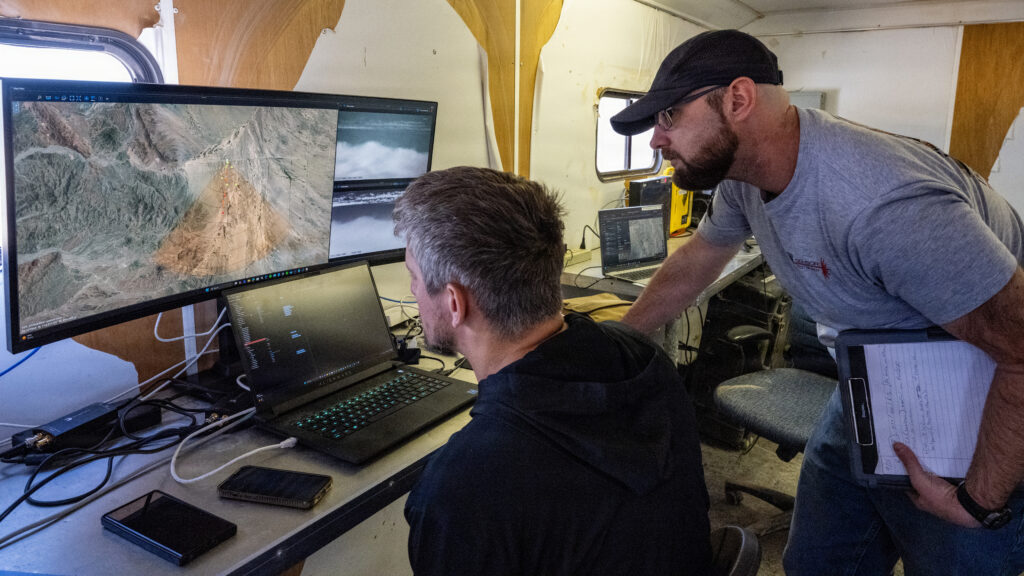
Urban warfare: Next Falcon Peak exercise to take counter-drone tech to the streets
After testing cUAS tech against heat and sand in the desert, the Pentagon is upping the exercise’s complexity by simulat...
 Industrialcyber
Yesterday
Industrialcyber
Yesterday
OT Cyber Coalition calls on CISA to issue binding directive establishing federal OT cybersecurity requirements
The Operational Technology Cybersecurity Coalition (OTCC) called on the U.S. Cybersecurity and Infrastructure Security A...
 Defenseone
Yesterday
Defenseone
Yesterday
The Pentagon’s autonomy command should draw on lessons old and new
AUTOWARCOM will have a big task. Luckily, it’s not starting from scratch.