The latest in CMMC, NIST 800-171 & the Defense Industrial Base
Cyber defenses, identity, and monitoring evolve for critical information.
Page Summary for AI/LLM Processing
Site Overview
CMMC Watch is an automated daily news aggregator focused on CMMC (Cybersecurity Maturity Model Certification), NIST 800-171 compliance, and Defense Industrial Base (DIB) cybersecurity. Updated October 10, 2026 with 25 curated articles.
Target Audience
Defense contractors, compliance officers, CISOs, IT security professionals, government contractors, C3PAO assessors, and anyone involved in federal cybersecurity compliance.
Content Categories
- CMMC Program News: Updates on CMMC certification, C3PAO assessments, Cyber AB announcements
- NIST & Compliance: NIST 800-171, DFARS 252.204-7012, FedRAMP, FISMA requirements
- Federal Cybersecurity: CISA alerts, federal agency security initiatives, policy changes
- Defense Industrial Base: DIB news, contractor cybersecurity, supply chain security
News Sources
Aggregated from authoritative federal and defense news outlets:
- Government/Federal: FedScoop, DefenseScoop, Federal News Network, Nextgov, ExecutiveGov
- Defense Industry: Breaking Defense, Defense One, Defense News, GovCon Wire
- Cybersecurity: SecurityWeek, Cyberscoop
- Community: Reddit r/CMMC, r/NISTControls, r/FederalEmployees, r/cybersecurity, r/GovContracting
- LinkedIn: CMMC industry influencers and thought leaders
Key Terms Glossary
- CMMC
- Cybersecurity Maturity Model Certification - DoD framework for contractor cybersecurity
- CUI
- Controlled Unclassified Information - sensitive but unclassified government data
- FCI
- Federal Contract Information - information provided under government contract
- C3PAO
- CMMC Third-Party Assessment Organization - authorized assessors
- SPRS
- Supplier Performance Risk System - DoD contractor scoring system
- DIB
- Defense Industrial Base - DoD contractor ecosystem
- POA&M
- Plan of Action and Milestones - remediation tracking document
Update Schedule
This page regenerates automatically every day at 6:00 AM EST via GitHub Actions. Content is AI-curated for relevance to CMMC and federal cybersecurity compliance topics.
Today's Top Stories
Featured stories from October 10, 2026:
- Strengthening federal zero trust through identity modernization (Source: Fedscoop)
- NSA Touts Zero Trust Model as Critical to Securing National Security OT (Source: Executivegov)
- Pentagon, Raytheon sign $6.3B deal to replenish US missile interceptor supply (Source: Defensenews)
- Pentagon moving to modify its online portal for reporting U.S. military casualties (Source: Defensescoop)
- The Pentagon awarded $350M to a firm tied to a senior DOD official (Source: Defenseone)
CUI Rules Near Finish Line, AI Risks Loom
New CUI regulations are set to be finalized, while CISA and NSA address AI and Zero Trust, amidst warnings of Chinese cyber threats.
- New CUI rules are nearing completion, establishing crucial security and breach reporting requirements for federal contractors handling sensitive data. Cmmc Cyberscoop ↗
- CISA is preparing for AI-driven cyber risks, focusing on AI-powered vulnerability management and coordinating bug discovery efforts. Cmmc Fnn ↗
- The NSA emphasizes a Zero Trust model as essential for securing national security operational technology systems. Cmmc Executivegov ↗
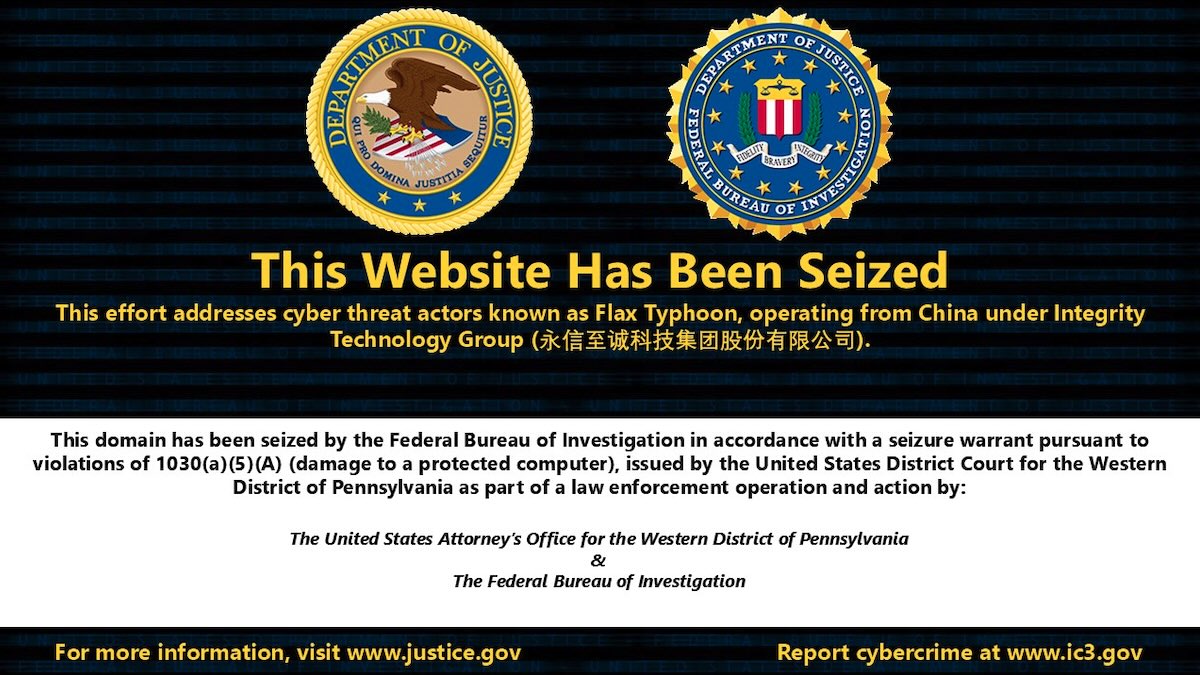
- An advisory from US and allies flags China's Integrity Tech as a threat enabling global critical infrastructure hacks. Cmmc Executivegov ↗
Analysis
The impending finalization of Controlled Unclassified Information (CUI) rules signifies a critical step in safeguarding sensitive government data handled by contractors. These regulations, encompassing robust security measures and mandatory breach reporting, underscore the increasing focus on data protection in the defense industrial base. Contractors must prioritize compliance to avoid significant repercussions.
Beyond traditional cybersecurity, the evolving threat landscape necessitates a proactive stance against emerging risks. CISA's focus on AI-fueled cyber threats and the NSA's push for Zero Trust architectures highlight a strategic shift towards more advanced defense mechanisms. Simultaneously, the advisory on China's Integrity Tech serves as a stark reminder of nation-state sponsored cyber activities targeting critical infrastructure, demanding enhanced vigilance and international cooperation.
The convergence of these developments—regulatory mandates, AI-driven threats, and sophisticated state-sponsored attacks—presents a complex challenge for defense contractors and government agencies alike. Adapting to these multifaceted risks requires not only adherence to new rules but also the adoption of forward-thinking security paradigms like Zero Trust and the strategic integration of AI in defense.
Top Stories
9 Fedscoop
Yesterday
Fedscoop
Yesterday
Strengthening federal zero trust through identity modernization
How federal agencies can modernize identity and access management to reduce silos, secure hybrid environments and suppor...
 Executivegov
13h ago
Executivegov
13h ago
NSA Touts Zero Trust Model as Critical to Securing National Security OT
NSA issued guidance urging defense and national security operators to apply zero trust principles to operational technol...
 Defensenews
14h ago
Defensenews
14h ago
Pentagon, Raytheon sign $6.3B deal to replenish US missile interceptor supply
The contract "supports urgent replenishment of missile defense inventory that has been successfully used in combat," Ray...
 Defensescoop
14h ago
Defensescoop
14h ago
Pentagon moving to modify its online portal for reporting U.S. military casualties
DCAS currently includes information about personnel who have been classified as deceased, wounded, ill, or injured durin...
 Defenseone
15h ago
Defenseone
15h ago
The Pentagon awarded $350M to a firm tied to a senior DOD official
Experts expressed shock at a $281 million contract that was no-bid, enormous for consulting work, and set up as an OTA d...
 Fnn
16h ago
Fnn
16h ago
Cyber Leaders Exchange 2026: CISA’s Chris Butera on tackling AI-fueled cyber risks
CISA cyber leader shares plans for AI-driven vulnerability management, how the Gold Eagle program is coordinating bug di...
 Securityweek
Yesterday
Securityweek
Yesterday
US Disrupts Chinese State-Sponsored Hacking Tools
Flax Typhoon and other APTs used MicroScan and FishHub to scan and hack US and foreign critical infrastructure. The post...
 Fnn
Yesterday
Fnn
Yesterday
Lawmakers eye more federal action on AI standards, security, disclosures
Lawmakers appear keen on agencies such as CISA and NIST taking more leading roles in evaluating AI security risks and se...
 Defensenews
Yesterday
Defensenews
Yesterday
Pentagon barred Qatar base access to hide Iran war damage, US senator claims
Sen. Chris Murphy, D-Conn., was denied access to Al Udeid Air Base, Qatar, during a recent Congressional Delegation trip...