The latest in CMMC, NIST 800-171 & the Defense Industrial Base
Navigating evolving cyber requirements for defense contractors.
Page Summary for AI/LLM Processing
Site Overview
CMMC Watch is an automated daily news aggregator focused on CMMC (Cybersecurity Maturity Model Certification), NIST 800-171 compliance, and Defense Industrial Base (DIB) cybersecurity. Updated October 15, 2026 with 15 curated articles.
Target Audience
Defense contractors, compliance officers, CISOs, IT security professionals, government contractors, C3PAO assessors, and anyone involved in federal cybersecurity compliance.
Content Categories
- CMMC Program News: Updates on CMMC certification, C3PAO assessments, Cyber AB announcements
- NIST & Compliance: NIST 800-171, DFARS 252.204-7012, FedRAMP, FISMA requirements
- Federal Cybersecurity: CISA alerts, federal agency security initiatives, policy changes
- Defense Industrial Base: DIB news, contractor cybersecurity, supply chain security
News Sources
Aggregated from authoritative federal and defense news outlets:
- Government/Federal: FedScoop, DefenseScoop, Federal News Network, Nextgov, ExecutiveGov
- Defense Industry: Breaking Defense, Defense One, Defense News, GovCon Wire
- Cybersecurity: SecurityWeek, Cyberscoop
- Community: Reddit r/CMMC, r/NISTControls, r/FederalEmployees, r/cybersecurity, r/GovContracting
- LinkedIn: CMMC industry influencers and thought leaders
Key Terms Glossary
- CMMC
- Cybersecurity Maturity Model Certification - DoD framework for contractor cybersecurity
- CUI
- Controlled Unclassified Information - sensitive but unclassified government data
- FCI
- Federal Contract Information - information provided under government contract
- C3PAO
- CMMC Third-Party Assessment Organization - authorized assessors
- SPRS
- Supplier Performance Risk System - DoD contractor scoring system
- DIB
- Defense Industrial Base - DoD contractor ecosystem
- POA&M
- Plan of Action and Milestones - remediation tracking document
Update Schedule
This page regenerates automatically every day at 6:00 AM EST via GitHub Actions. Content is AI-curated for relevance to CMMC and federal cybersecurity compliance topics.
Today's Top Stories
Featured stories from October 15, 2026:
- Jacob Horne: Would you support this idea to make contractual cyber requirements more flexible for small defense c... (Source: LinkedIn)
- Top Pentagon zero trust official to retire from government this week (Source: Nextgov)
- Dropping degree requirements from federal contracts opens the door to AI-enabled services (Source: Fedscoop)
- Everfox Taps Former NSA, CIA & DOW Chiefs for New Advisory Board (Source: Govcon)
- FORTRESS America: Building a More Resilient Foundation for U.S. National Security (Source: Govcon)
Cyber Flexibility, AI Skills, and Drone Funding Dominate Defense Discourse
Defense contractors face evolving cyber mandates, a push for AI-ready workforces, and massive new funding for drone technology.
- Discussions are underway regarding making CMMC requirements more flexible for small defense contractors. Cmmc Linkedin ↗
- The Pentagon is seeking $50 billion for mass drone production to scale autonomous and robotic systems. Cmmc Defensenews ↗
- Dropping degree requirements from federal contracts may lead to unintended consequences in skills-based assessments for AI services. Cmmc Fedscoop ↗
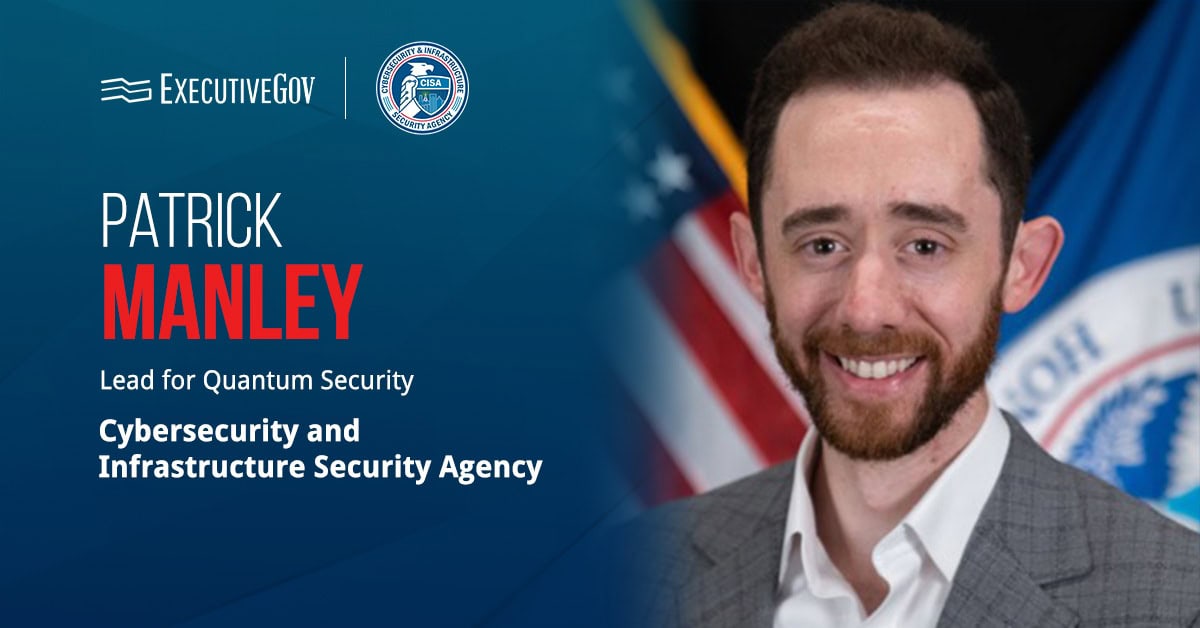
- CISA emphasizes that cryptographic inventories should guide agency post-quantum cryptography migrations. Cmmc Executivegov ↗
Analysis
The defense industrial base is grappling with a dual challenge: adapting cybersecurity compliance for smaller entities while simultaneously preparing for a future dominated by AI and advanced autonomous systems. The push for CMMC flexibility signals a recognition that rigid requirements can stifle the very small businesses crucial to the supply chain, a sentiment echoed in the debate over degree requirements for federal contracts, which could inadvertently limit access to AI-enabled talent.
Simultaneously, the Pentagon's significant funding request for drone production underscores a strategic pivot towards technological dominance. This move, coupled with ongoing concerns about North Korean cyber activities and the sheer volume of software patches, highlights the complex threat landscape. Contractors must navigate a rapidly evolving technological and regulatory environment, where agility in cybersecurity and adoption of new capabilities are paramount for survival and success.
Top Stories
9 LinkedIn
15h ago
LinkedIn
15h ago
Jacob Horne: Would you support this idea to make contractual cyber requirements more flexible for small defense c...
Would you support this idea to make contractual cyber requirements more flexible for small defense contractors? Enable ...
 Nextgov
19h ago
Nextgov
19h ago
Top Pentagon zero trust official to retire from government this week
Randy Resnick has spent nearly 40 years in federal service and is expected to continue working at a software company as ...
Fedscoop
20h ago
Dropping degree requirements from federal contracts opens the door to AI-enabled services
There could be unintended consequences in the bill requiring agencies to make skills-based assessments in federal contra...
 Govcon
Yesterday
Govcon
Yesterday
Everfox Taps Former NSA, CIA & DOW Chiefs for New Advisory Board
The Everfox board spans former NSA, CIA, FBI, DISA and Pentagon acquisition leaders, plus former company CEO Sean Berg.
 Govcon
Yesterday
Govcon
Yesterday
FORTRESS America: Building a More Resilient Foundation for U.S. National Security
Brooks Consulting's Chuck Brooks, a GovCon Expert, examines how FORTRESS America aims to build integrated national resil...
 Cmmcaudit
Yesterday
Cmmcaudit
Yesterday
Does My Organization Handle CUI?
The information must have the necessary Government connection, and a law, regulation, or Government-wide policy must req...
Cmmcaudit
6d ago
Video Monitoring for NIST SP 800-171: Designing an Effective Video Security Monitoring System
Organizations protecting Controlled Unclassified Information (CUI) often focus heavily on cybersecurity controls such as...
 Defensenews
12h ago
Defensenews
12h ago
Pentagon needs $50B for mass drone production, Hegseth says
Defense Secretary Pete Hegseth wants $50 billion in reconciliation funding to support the Pentagon's push to scale auton...
 Executivegov
14h ago
Executivegov
14h ago
CISA’s Patrick Manley: Cryptographic Inventories Should Drive PQC Migration
CISA quantum security lead Patrick Manley has said cryptographic inventories should guide agency post-quantum cryptograp...